Green Pets America Charities

When the South & North Become One
In parts of the Southeastern United States, shelters and rescues faced heavy demand with too few foster homes, veterinary resources, adopters, and affordable sterilization services. Conditions varied from county to county. Yet for people working in high-intake communities, one painful truth was hard to ignore: an animal’s prospects could change dramatically across a state line.
In 2004 Steve Monahan founded Green Pets America Charities with Gina Carr and Kristen Butler. Our early work included creating America’s first Pet Meals on Wheels delivering pet food to seniors and those in need In Cherokee County Georgia. A bag of food could help a person avoid surrendering a beloved companion. The intervention was modest in appearance and profound in purpose: keep an animal fed and a family together.

We also encountered dogs in shelters whose time was running out. Some were frightened. Some needed treatment or simply more time than an overcrowded kennel could give them. Green Pets America expanded into rescuing at-risk dogs and building the care needed to prepare them for adoption.

Helping people keep the animals they loved and rescuing animals already in danger were not competing missions. They were two answers to the same question: what would give this animal a real chance?

Why should the place where a dog was abandoned determine whether someone could find that dog a home? That question drew more people into rescue, foster care, and transport partnerships. It also exposed a second truth: many pets became homeless not because their people did not love them, but because hardship made it difficult to keep them.

From Death Row to Adoption Day

Taking a dog out of immediate danger can be urgent. It is also only the first step. A rescued dog may need an examination, vaccines, treatment for illness or injury, nourishing food, and time to recover from the strain of a shelter environment. The next step may be a foster home, where routine and patience can help the dog settle.

Green Pets America Charities described its mission in three words: Rescue. Recycle. Rehome. In our language, “recycle” meant giving a life disrupted by circumstance an opportunity for renewal. The animal was never disposable; what needed changing was the situation around that animal.

Foster families and volunteers made that change possible. They offered safe space, learned what a dog needed, helped with everyday skills, and introduced prospective adopters to an individual rather than a kennel label. Adoption events, including events at pet stores, created opportunities for people to meet dogs who might otherwise have remained unseen.

A successful rescue is not simply a removal from a shelter. It is a chain of care: a safe exit, appropriate medical attention, time to recover, a thoughtful match, and a home prepared to welcome the animal. Each link depends on people doing patient, often unglamorous work. The goal is not just an adoption-day photograph. It is a lasting relationship.

On the the Road and Sky to Safety

A No kill network grows from South to North

Local adoption matters, but it cannot always meet the number of animals needing homes in a high-intake area. Rescue transport can create another path—provided the destination has a capable receiving partner and a genuine plan for care and placement.

Green Pets America worked to move rescued dogs from the Southeast toward partners and adoption opportunities in Northeastern states. Those journeys depended on foster coordinators, veterinarians, drivers, receiving organizations, and people waiting to help at the other end. A route on a map was only one part of the work. The handoffs, records, health arrangements, and commitments after arrival mattered just as much.

Animal-rescue journeys take to the air. Pilots N Paws, founded in 2008, connects volunteer pilots with people and organizations arranging animal transport. Volunteer aviation is one example of how people can bring their particular skills and resources to an animal’s journey.

Whether by road or air, transport does not replace the need for better local services. It connects an animal in immediate need with an available opportunity while communities continue the longer work of building stronger shelter and support systems.

A driver, a pilot, a foster family, and an adopter may never all meet. Their decisions can still become one continuous act of care.

Feeding Families, Saving Animals
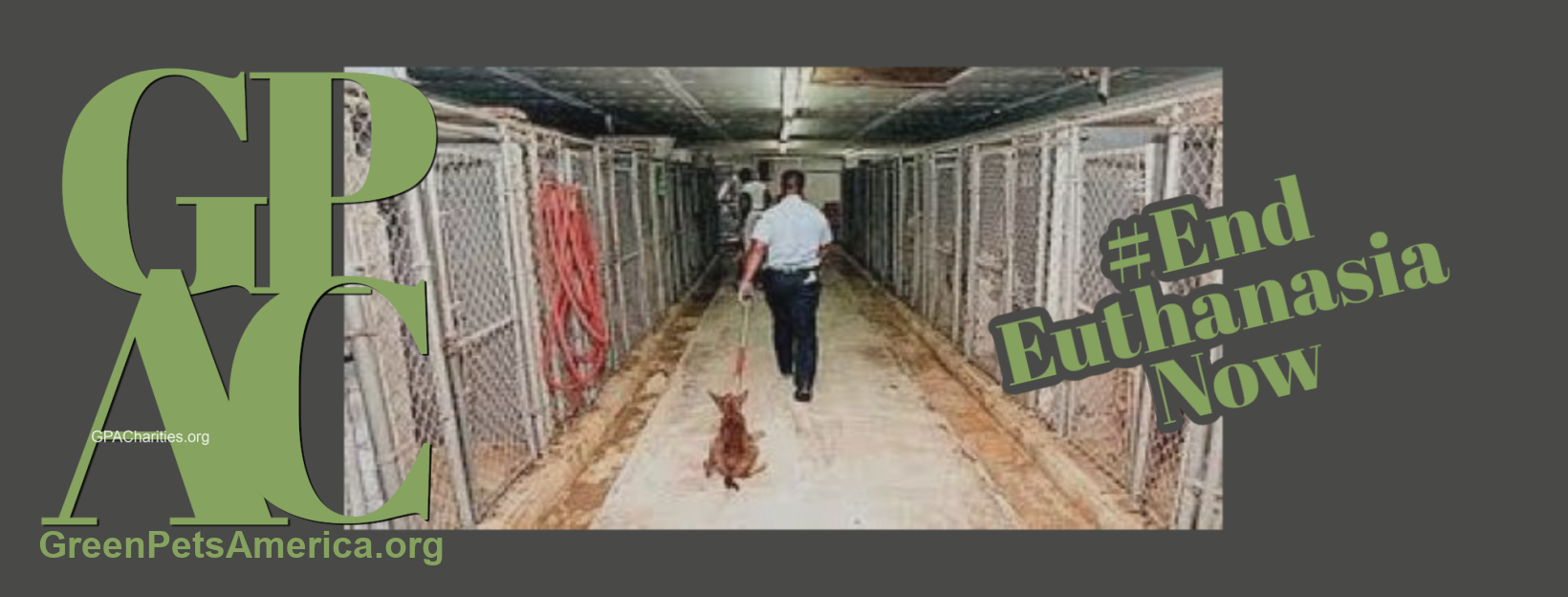
Preventing homelessness before it begins.Rescue stories often begin with an animal leaving a shelter. Some of the most important lifesaving stories begin earlier: at the moment a family asks for help.

A senior may be able to offer a dog affection, companionship, and a safe home, yet struggle to pay for food. A family facing a temporary crisis may want to keep a cat but lack the means to meet an immediate need. When help arrives in time, the animal may never have to enter a shelter at all.

For Green Pets America Charities, pet-food delivery belonged within animal rescue. The program supported both the companion animal and the person who loved that animal. It recognized that the human-animal bond is worth protecting, especially when hardship—not lack of care—puts it at risk.

The do no harm, No kill America Promise Continues

No one organization created America’s no-kill movement. Adoption advocates, sanctuary builders, shelter reformers, veterinary teams, foster families, rescue partners, transport volunteers, and people who open their homes have each carried part of it forward.

There is still work to do. Communities need ways to help lost animals return home, support families before surrender becomes necessary, care for sick and injured animals, and make foster and adoption programs stronger. Those needs cannot be answered by a slogan alone. They ask for resources, cooperation, honest assessment, and persistence.

But a movement begins when people refuse to mistake a shortage of options for a shortage of worth. An animal in danger deserves more than the explanation that no one could help. People can build the help. Rescue the animal. Restore life. Rehome the companion animal. Feed the family. Support the community. And never accept that death is the answer.

Steven Monahan, founder Green Pets America Charities, 2007
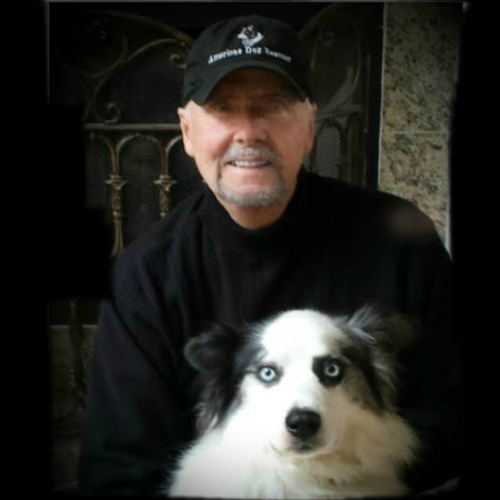
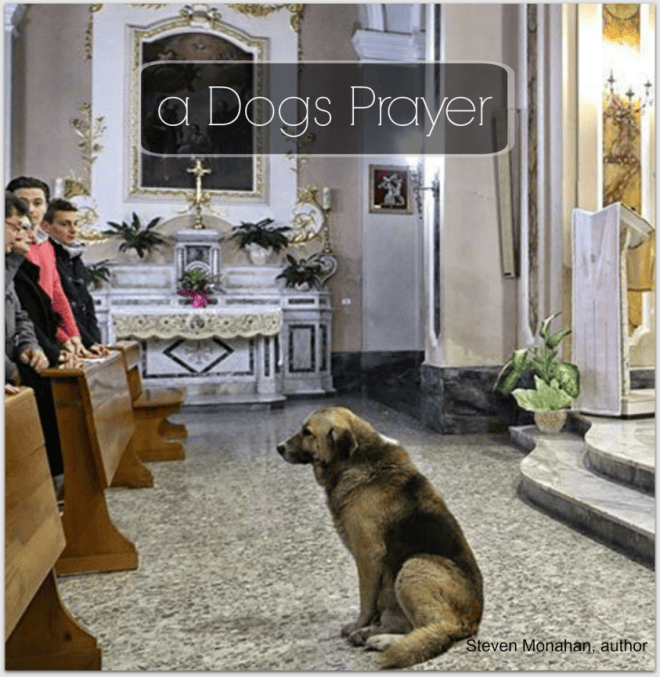
A Dogs Prayer

Please offer this prayer for mercy to God for the homeless animals of America and this world.

dogs prayer

Please offer this prayer for mercy to God  for the homeless animals of America and this world. I pray this daily. If we pray this together I know God and Jesus will hear us. For as we have been taught, when two or more are gathered in his name he is with us.

Dear Lord I come before you today a humble and homeless dog and ask for your Mercy.

I come before you today in your house of worship and ask you to pray for me.

I ask you show Mercy on me and all by brethren Animals.

You God created us and love us.

You created human animals and love them as well.

We animals know that in your mind we have all been created equal.

You give your love equally to all that you have created.

We ask you God,  please open the hearts of your women and men to love us animals as well.

Only you God can help us the homeless animals.

Only you God can open human hearts to bring us into their homes.

Only you God can end the killing of my brethren animals.

God bring your Mercy to us.

Bring your Mercy and Forgiveness to the humans who abuse us.

Bring your Mercy so we animals can live in peace and love with our human brethren.

We pray for this in your name.

We go in peace.

author, Steven Monahan

20 New Ways to Adopt Homeless Pets

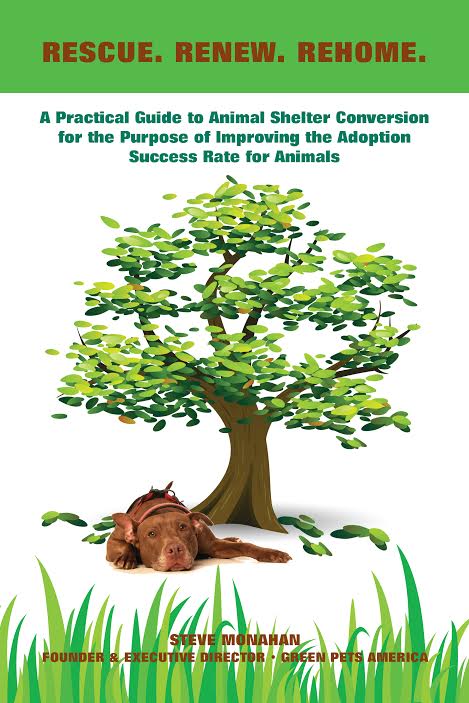
Be Inspired! Read Rescue Renew Rehome, just released on Kindle this week, be inspired with the possibilities and over 20 proven ways to rescue and adopt America’s homeless pets.

Rescue Renew Rehome Book

Learn 20 ways to save more our animals now: and learn how to set up private animal adoption shelters and community pet Villages across America to save all 4 million every year going forward.

 You will read the story of Shiva the 911 Dog that consoled survivors at the Pentagon, and the stories of Ruby and Sweet Pea who were Rescued Renewed and Rehomed.

 This book will also show you how working together we can adopt 4 million homeless pets yearly.

  You will learn about the new Green Shelters and Green Villages, where pet owners come together as a community to care for, adopt and celebrate our pets. 

 You will learn about “Cause Marketing”… think Breast Cancer Runs and Ice Bucket Challenge and how Animal Shelters and Rescue Groups can learn to use it to raise the money they need to adopt all dogs and cats. 

 You will learn about America’s $58 Billion dollar Pet Industry and how it will help end the euthanization of healthy and happy shelter animals. 

This is a game changing, break through book you must read. You will be buying copies for your animal loving friends, family and for your local Animal Shelter and Rescue Groups.

Rescue Renew Rehome Book
Now on Kindle for $2.99 and Paperback for only $7.99.


Loyalty. What two Dogs Taught Us.

Lesson in Loyalty

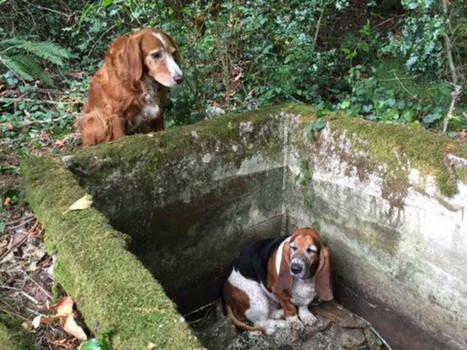
An Irish setter named Tillie and her bonded pal, Phoebe, a Basset hound, had been missing from their home in Vashon Island, Washington for over a week. With a call out from the pets owners to the Vashon Island Pet Protectors to help find the beloved canine companions, everyone had been actively helping in the search.

On Monday, a call came in reporting someone had spotted a “reddish” dog approaching them when they were out on their property and then the dog promptly headed back towards the ravine. “So with a needle in the haystack hope, we made our way into the ravine and after a bit of searching, finally heard that sweet sound we have been waiting for all week,” stated the organization’s Facebook update. As a volunteer called out Tillie’s name, the “one woof” response was heaven to their ears, however the drama wasn’t over yet. What about Phoebe?

Following Tillie’s one bark acknowledgement, the dog was found moments later with her head resting upon an old concrete wall beside an old cistern. And at that moment, as every breath was held and every doggy prayer offered, the group carefully peeked over and were ecstatic – Phoebe was alive and had been lying on some rocks to keep her out of the water. “For nearly a week, Tillie stayed by her side with the exception of the few minutes of each day when she went for help. A huge thanks to Joe Curiel for realizing something was up and a round of applause to the awesome and amazing Miss Tillie. A true friend and a humbling example of the power of love.”

Both dogs were hungry and cold, but have since been reported as doing fine. And for anyone missing their dog (or cat), don’t give up hope. Our canine and feline companions are utterly amazing.

The Greatness of a Nation – How Will We Be judged?

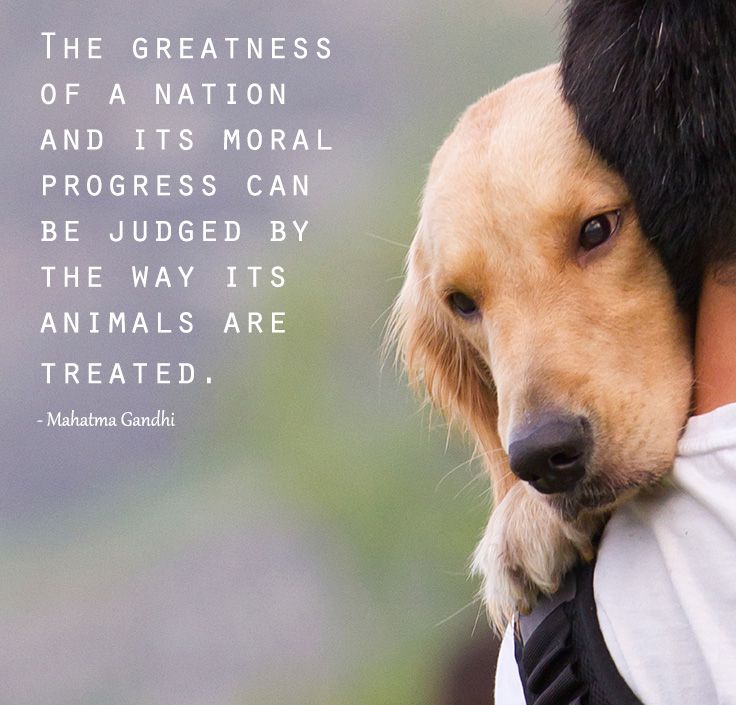
Ghandi Quote Picture Dog

“The greatness of a nation and its moral progress can be judged by the way its animals are treated.”― Gandhi

The greatness of America will one day be judged on how it treated its companion animals.  How Will We Be Judged?

We kill sick animals in shelters every day, when a few antibiotics would save their lives.  How Will We Be Judged?

We spend millions of dollars euthanizing animals, but few dollars on spay & neuter to save lives. How Will We Be Judged?

We kill animals to empty shelter cages, when we could adopt them. How Will We Be Judged?

We kill companion animals because we do not like their breed. How Will We Be Judged?

We build elaborate million dollar Government buildings, and cheap animal shelters.  How Will We Be Judged?

We show our children killing their pets is moral and allowed in society. How Will We Be Judged?

We discard our companion animals after years of them loving us, because we tire of caring for them. How Will We Be Judged?

We spend money to feed our bad habits, yet let our companion animals starve. How Will We Be Judged?

We adopt a companion animal, and then let them sit in a hot car and die. How Will We Be Judged?

We get a companion animal and then tie him to a tree his whole life. How Will We Be Judged?

We look the other way when people abuse their pet because we don’t want to offend them. How Will We Be Judged?

We spend money on pampering ourselves but do not donate a penny to save lives. How Will We Be Judged?

We spend millions for political bridges to nowhere, but no money for saving a homeless animal in our own town. How Will We Be Judged?

We send taxpayer money overseas to Nations that slaughter companion animals and eat them, and spend no Washington money to save, spay & neuter or even feed homeless American companion animals. How Will We Be Judged?

We kill 4 million companion animals every year when we could save them. How Will We Be Judged?

Steve Monahan, Executive Director
National No Kill Humane Society
“a Voice for Life”
NoKillHumaneSociety.org

How To Privatize America’s Animal Shelters – Save Lives

Be Inspired! Read Rescue Renew Rehome and be inspired with the possibilities to rescue and adopt America’s homeless pets.

Rescue Renew RehomeLearn 20 ways to save more our animals now: and learn how to set up private animal adoption shelters and community pet Villages across America to save all 4 million every year going forward.

 You will read the story of Shiva the 911 Dog that consoled survivors at the Pentagon, and the stories of Ruby and Sweet Pea who were Rescued Renewed and Rehomed.

 This book will also show you how working together we can adopt 4 million homeless pets yearly.

  You will learn about the new Green Shelters and Green Villages, where pet owners come together as a community to care for, adopt and celebrate our pets. 

 You will learn about “Cause Marketing”… think Breast Cancer Runs and Ice Bucket Challenge and how Animal Shelters and Rescue Groups can learn to use it to raise the money they need to adopt all dogs and cats. 

 You will learn about America’s $58 Billion dollar Pet Industry and how it will help end the euthanization of healthy and happy shelter animals. 

This is a game changing, break through book you must read. You will be buying copies for your animal loving friends, family and for your local Animal Shelter and Rescue Groups.

10-16 - 2014 Revised Book Cover from DD

20 Ways to Save Our Homeless Pets

Learn 20 ways our animal shelters can adopt all their healthy animals  


Now available on Amazon Books.


Customer Reviews

This plan will work! Loved this book! Very true!  I am giving copies to everyone I know! Everyone needs a copy in their home! I can’t speak high enough of this book!  VSI -February 2015

This book is great for those who want to help save Shelter Animals.This book is great for those who want to help and get the word out about opening and supporting no-kill shelters. If we raise awareness then we can start changing the world to make it a better place for us and our animals!!!  D.G. Smith on January  2015

This is a wonderful book about rescuing animals from shelters. There is a long chapter by Leecy Madison about her work at the Pentagon after 9/11 with her DSR therapy dog, Shiva It’s about saving animals from shelters and the wonderful work pets do for us to enrich our lives. Sandra G. – January  2015

On Sale Now – all proceeds go to animal welfare education.

10-16 - 2014 Revised Book Cover from DD


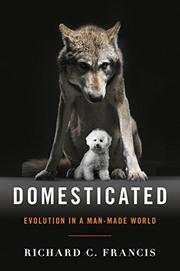
Domesticated – Book Review

If you are fascinated by animals as we are, you will really enjoys this new, highly acclaimed book – Domesticated by Richard Francis.

Here is a quick review. Book is available at all book stores and online.

Enjoy, Steve Monahan

Domesticated

 KIRKUS BOOK REVIEW

“The human population explosion has been bad for most other living things, but not so for those lucky enough to warrant domestication,” writes science journalist Francis (Epigenetics: The Ultimate Mystery of Inheritance, 2011, etc.) in this provocative account of the latest developments in the field of evolutionary biology.

“In an evolutionary sense,” writes the author, “it pays to be domesticated.” Not only do humans breed animals for our own purposes—pets, horses, and cattle—but we have been an “unconscious evolutionary force.”

Francis cites the famous 1959 experiment by the Russian scientist Dmitry Belyaev, who explored the domestication of foxes by selecting for tameness. By the sixth generation, they developed physical and behavioral characteristics normally associated with dogs. The author suggests that the driver in this case—also exemplified in the descents of dogs from wolves and humans from primates—was natural selection of those animals best able to tolerate the social stress of life in the vicinity of human habitations.

Selection for tameness was related to “a general dampening of stress responses,” and over several generations, stress hormones decreased. In the author’s view, a similar process of self-domestication occurred in the evolution of humans from their primate forebears.

Francis astutely substantiates this thesis with fossil evidence from a variety of mammal species, including cats, dogs, raccoons, mice, and more. As the author writes, the concept of survival of the fittest was not based solely on competition for resources, nor initially on transformations in the brain, but rather on “parallel neuroendocrine alterations in humans (and bonobos) on the one hand, and dogs, cats, rats, and other domestic creatures on the other.”

This leads him to the novel conclusion that rather than just human intelligence, the extraordinary evolutionary success of our species has depended on our “hypersociality and unprecedented capacity for cooperative behavior.”

A highly illuminating look at the cross-species biological basis for human culture and sociability.

Little Doxie Dog Gets Wheelchair – Maggie’s Story

Walking Again!

Maggie’s Story

YouTube Video URL  – https://youtu.be/IDDmSbIFPI8

Check out this video clip of  Maggie. Maggie just turned nine in February. She is a wonderful long-haired miniature Doxie! Maggie was diagnosed with Cushing’s disease with secondary myopathy and a tumor on her pituitary gland. With all this Maggie has lost the ability to use her hind legs to walk. Her owners are so caring that they carry her everywhere now, or push her in a stroller outside.

Maggie remains a happy dog and is quite a little fighter.​

Over the past year and a half Maggie has gone from hopping with her back legs to being completely dependent on her pet parents for any movement. When the owners learned of a wheelchair for Maggie we learned that they both cried tears of joy. Katrina, Maggie’s Mom said “I was thrilled!! I pray a lot for her and I feel like God heard me! I love the thought of Maggie having some independence again! She loves to be outside. I take her on walks with her stroller and she loves it. Imagine her moving herself around outside :). I bet it would help her bedsores a bit too!”

Green Pets America Charities in Woodstock Georgia and Best Friends Mobility in Chattanooga Tennessee got together and donated a wheelchair to Maggie today.

It will take a few weeks for her to gain strength again in her front legs as she has not been able to use them in a while. But soon she will have her front legs pulling her all around her yard and even the local dog park.

 GREENPETSAMERICA.org

BESTFRIENDSMOBILITY.org